
- By Brian Donohue
- Siding
- 0 Comment
James Hardie® fiber cement siding is built to be a durable, low-maintenance exterior, but “low maintenance” does not mean “no maintenance.”
Your siding still sits outside through Missouri’s hot summers, heavy rain, humidity, freezing temperatures, strong winds, and seasonal changes. Dirt can accumulate on the surface. Caulk can deteriorate. Small chips or damaged areas can develop. Gutters can overflow onto the siding.
The good news is that maintaining James Hardie siding does not have to become a major project.
A few simple inspections and cleaning habits can help keep your siding looking good and allow you to spot small problems before they become larger exterior repairs.
If your home has James Hardie siding, here are the maintenance steps worth putting on your homeowner checklist.
Clean Your James Hardie Siding Regularly
One of the simplest ways to maintain your siding is also one of the easiest to overlook: clean it.
James Hardie recommends cleaning its siding about once or twice a year, depending on the home’s location and exposure. A garden hose and a soft, nonmetal brush can remove ordinary dirt and debris without putting unnecessary pressure on the siding surface.
Missouri weather can leave plenty of material on your home’s exterior, including:
- Dust and dirt
- Pollen
- Mud
- Spider webs
- Leaves and organic debris
- General outdoor grime
- Mildew in areas that remain damp
You don’t need to wait until the siding looks heavily stained.
A routine cleaning can help keep the exterior looking fresh while giving you an opportunity to inspect the siding at the same time.
Start at the Top and Work Down
When cleaning your siding, work in manageable sections.
Rinse the surface with a garden hose and use a soft cloth or soft-bristle brush where additional cleaning is needed. James Hardie recommends working from the top down so dirty water doesn’t run over areas you’ve already cleaned.
If you use soap or a siding-safe cleaning solution, don’t allow the cleaner to dry on the surface. Rinse thoroughly after cleaning.
And always follow the specific care instructions for the siding product installed on your home.
Don't Pressure Wash James Hardie Siding
This is one maintenance mistake worth avoiding.
A pressure washer may seem like the fastest way to clean a home's exterior, especially when dirt has accumulated over several seasons.
But high-pressure water can damage the surface of James Hardie siding.
James Hardie's current care guidance recommends a low-pressure garden hose rather than a pressure washer, along with a soft, medium-bristle nonmetal brush for removing dirt and debris.
In other words:
More pressure does not mean better cleaning.
If you're dealing with stubborn staining, mildew, or another problem that doesn't come off with gentle cleaning, don't keep increasing the pressure. Identify the type of stain and use an appropriate cleaning method instead.
For mildew, James Hardie recommends a mildew-specific cleaner used according to the product instructions, followed by thorough rinsing.
Check Your Siding for Chips, Cracks and Damage
Cleaning your siding is also a good opportunity to look closely at its condition.
Walk around your home and look for:
- Cracks
- Chips
- Dents
- Damaged edges
- Loose or displaced siding
- Areas where the finish appears damaged
- Gaps around exterior penetrations
- Damaged trim
Small exterior damage is easier to address when you find it early.
James Hardie notes that small cracks, chips, and dents can sometimes be repaired using appropriate cementitious patching compounds, while ColorPlus® Technology touch-up products are available for certain finish repairs.
However, not every damaged area should be treated as a simple cosmetic repair.
If a section is cracked, loose, repeatedly getting wet, or showing signs of a larger installation or moisture problem, it's better to have the area evaluated rather than simply covering it up.
Pay Attention to Caulk Around Windows and Doors
Siding is only one part of your home's exterior water-management system.
Caulk and sealants around windows, doors, corners, and other exterior penetrations also deserve regular attention.
Over time, caulk can:
- Crack
- Shrink
- Separate from the surface
- Lose flexibility
- Develop visible gaps
A failed seal can allow water to reach areas behind the siding.
That's why a quick visual inspection once or twice a year is worthwhile.
Look closely around windows, doors, trim transitions, and other areas where different exterior materials meet.
If you see cracked or separated caulk, don't ignore it until the next major renovation. The appropriate repair will depend on the location and type of joint, so follow the manufacturer's installation and maintenance requirements or have the area evaluated by a qualified professional.
Keep Gutters and Downspouts Working Properly
Your siding can be in excellent condition, but problems with other parts of the exterior can still expose it to unnecessary moisture.
Gutters and downspouts are particularly important.
A clogged or improperly directed gutter can overflow during heavy Missouri rainfall and repeatedly send water down the side of your home.
Check that:
- Gutters are free of leaves and debris
- Downspouts are connected properly
- Water is being directed away from the home
- Gutters aren't overflowing during rain
- Downspout extensions are functioning properly
- Water isn't repeatedly splashing against the lower siding
This is especially important after major storms.
You don't need to inspect your siding every time it rains, but if you notice water overflowing from the gutters or running down one particular section of the exterior, investigate the cause.
Keep Landscaping From Constantly Touching the Siding
Landscaping can make a home look great, but plants, branches, mulch, and other materials should not be allowed to remain in constant contact with the siding.
Trees and shrubs can rub against the exterior during windy weather. Vegetation can also reduce airflow and create areas where moisture and debris remain trapped.
Take a walk around your home and look for:
- Branches rubbing against siding
- Shrubs growing directly against the exterior
- Vines attached to the siding
- Leaves collecting against the house
- Landscaping that prevents the exterior from drying properly
Trimming vegetation back can make it easier to inspect the siding and keep the exterior cleaner.
Don't Ignore Missouri's Seasonal Changes
St. Louis-area homes experience four distinct seasons, and your siding experiences all of them.
Summer can bring intense heat, humidity, thunderstorms, and heavy rainfall. Fall brings leaves and organic debris. Winter introduces freezing temperatures and moisture. Spring brings pollen, rain, and rapidly changing weather.
That means a seasonal exterior inspection makes sense.
After Severe Weather
After a strong storm, look at the siding from the ground and check for obvious signs of damage.
Look for:
- Cracked or broken sections
- Loose siding
- Damaged trim
- Missing pieces
- Impact marks
- New gaps
- Damage caused by fallen branches
You don't need to climb onto the roof or use a ladder to perform a basic visual inspection.
If you see something unusual, document it with photographs and have the damage evaluated before assuming it is only cosmetic.
Know When Cleaning Isn't Enough
Sometimes siding looks dirty because it needs cleaning.
Sometimes what appears to be a stain is actually a sign of a larger problem.
For example, if you notice persistent discoloration around one window, recurring moisture marks, damaged caulk, or deterioration concentrated in one section, cleaning the surface may not solve the underlying issue.
Pay attention when a stain keeps returning or when discoloration is accompanied by damaged caulk, surface deterioration, or cracking. These signs can indicate that moisture is reaching the siding or the area behind it and may warrant a closer inspection.
The earlier you investigate a recurring problem, the more opportunity you have to address the cause before it spreads.
This is particularly important around windows, doors, roof-to-wall transitions, and other areas where water management is critical.
What About Repainting James Hardie Siding?
Whether your siding needs repainting depends on the product and finish.
James Hardie siding is available both in pre-finished products using ColorPlus® Technology and products intended to be painted. James Hardie states that ColorPlus® Technology finishes are designed to resist fading, chipping, and cracking, while touch-up products are available for certain minor finish damage.
If your siding was painted on site, maintenance requirements can be different.
Before repainting, determine which James Hardie product and finish you have and follow the applicable manufacturer requirements.
Don't assume that every James Hardie siding installation should be treated the same way.
Why Proper Installation Still Matters
Maintenance can protect your investment, but it cannot compensate for poor installation.
Correct installation helps manage water, maintain appropriate clearances, and create the finished appearance you expect from the siding system.
James Hardie emphasizes moisture management as an important part of a successful siding project.
That's why homeowners should consider more than the siding product itself when planning a replacement.
Ask:
- Is the existing exterior in good condition?
- Are there moisture issues that need attention?
- Are windows and doors properly integrated?
- Are flashing and water-management details addressed?
- Are the appropriate clearances maintained?
- Is the siding being installed according to manufacturer requirements?
A quality siding product deserves a quality installation.
Why Consider James Hardie® Fiber Cement Siding?
For homeowners who are replacing older siding, maintenance is only one part of the decision.
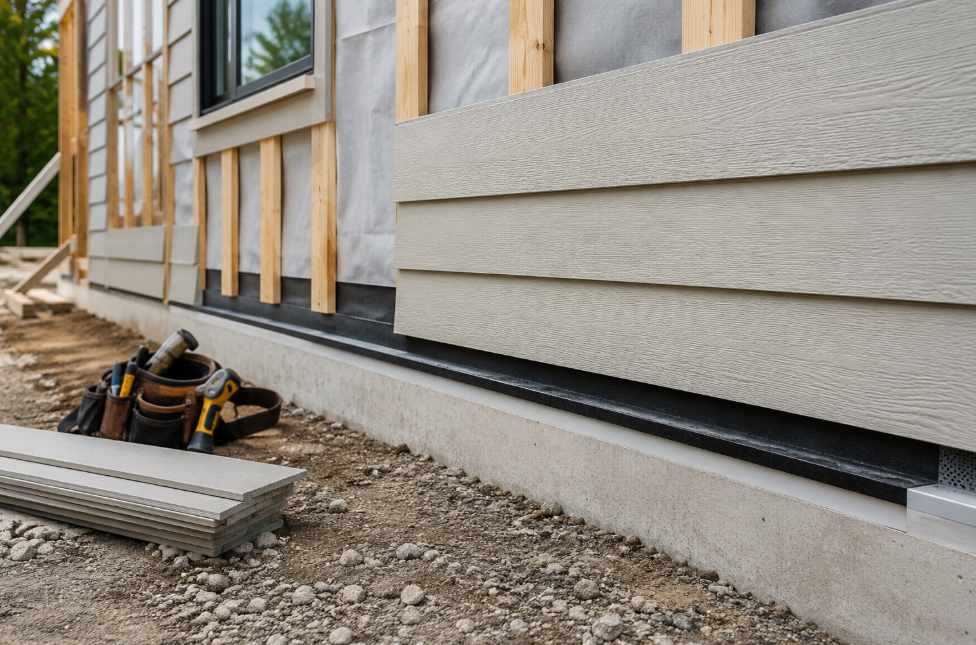
James Hardie fiber cement siding offers a combination of durability, design flexibility, and relatively low ongoing maintenance. James Hardie states that its fiber cement siding is designed to resist moisture-related damage and pests and that its products are engineered for climate-specific performance.
Homeowners can also choose from different siding profiles and textures, including lap, panel, and shingle-style options, depending on the look they want for their home.
That makes it possible to improve both the appearance and performance of an aging exterior.
If you’re considering new siding rather than maintaining an existing system, explore Horizon Roofing & Exteriors’ James Hardie Fiber Cement Siding service to see how a professional siding installation can transform your home’s exterior.
A Simple James Hardie Siding Maintenance Checklist
You don't need a complicated maintenance schedule.
A basic checklist can go a long way:
Once or twice a year:
- Clean the siding with a garden hose and appropriate soft brush
- Look for cracks, chips, dents, and damaged areas
- Inspect caulk around windows, doors, and other joints
- Check gutters and downspouts
- Trim vegetation touching the siding
- Look for areas with persistent moisture or staining
After major storms:
- Check for visible siding damage
- Look for loose or displaced sections
- Inspect areas near trees and branches
- Photograph unusual damage
- Arrange an inspection if you're unsure about what you see
The goal isn't to spend every weekend maintaining your siding.
It's to catch small problems while they're still manageable.
When Should You Call a Siding Professional?
A professional evaluation makes sense when you're seeing damage that you can't confidently identify or repair.
Consider having your siding inspected if you notice:
- Repeated cracking
- Loose siding
- Significant impact damage
- Persistent moisture staining
- Deteriorating areas around windows or doors
- Failed or damaged trim
- Large sections that need repainting or replacement
- Damage following a severe storm
A professional can determine whether the issue is limited to the siding surface or whether another part of the exterior may be contributing to the problem.
Professional James Hardie Siding in St. Charles County and Greater St. Louis
James Hardie siding is designed to provide long-term exterior performance, but the installation still matters.
Horizon Roofing & Exteriors provides professional siding installation for homeowners throughout St. Charles County and the Greater St. Louis area.
If your existing siding is showing its age or you're considering replacing another siding material with fiber cement, Horizon can help you evaluate the project and choose an exterior solution that fits your home.
Whether you're interested in James Hardie lap siding, panels, shingle-style siding, or complementary exterior products, the right approach starts with evaluating the home—not simply choosing a color from a sample.
And once your new siding is installed, regular cleaning, inspection, and basic exterior maintenance can help you keep it looking its best for years to come.
Frequently Asked Questions
James Hardie recommends cleaning its siding about once or twice a year, although the appropriate frequency can vary depending on the home’s location and exposure.
James Hardie advises against using a pressure washer because high-pressure water can damage the siding surface. A low-pressure garden hose and soft, nonmetal brush are recommended for routine cleaning.
James Hardie recommends using a mildew-specific cleaner according to its instructions, gently cleaning the affected area with a soft cloth or sponge, and thoroughly rinsing afterward.
It depends on the product. Some James Hardie siding comes with ColorPlus® Technology factory-applied finishes, while other products are designed to be painted. Follow the specific requirements for the product installed on your home.
Small chips, cracks, and dents may be repairable with an appropriate cementitious patching compound. For ColorPlus® Technology finishes, James Hardie offers specially formulated touch-up products for certain minor damage.
Yes. James Hardie describes its fiber cement siding as a low-maintenance exterior, but routine cleaning and inspections are still recommended to keep the siding looking good and identify potential problems.
The lifespan depends on the specific product, installation, environmental exposure, and maintenance. James Hardie offers applicable products with limited substrate warranties, but homeowners should review the warranty for their specific siding product rather than assuming one lifespan or warranty applies to every installation.
Thinking About New James Hardie Siding?
If your siding needs more than cleaning and minor maintenance, replacement may be worth considering.
Horizon Roofing & Exteriors can help homeowners in St. Charles County and the Greater St. Louis area explore James Hardie fiber cement siding options and determine the right approach for their home.
A well-maintained exterior protects more than curb appeal. It is part of your home’s first line of defense against the weather.
Ready to upgrade your siding? Contact Horizon Roofing & Exteriors to discuss your James Hardie siding project.

Brian Donohue
Brian Donohue is the owner of Horizon Roofing & Exteriors, the leading roofing company in St. Peters, Missouri, dedicated to delivering quality roofing solutions. With a strong background in project management, sales, and customer service, Brian has built a reputation for reliability and excellence in the roofing and construction industry.