
- By Brian Donohue
- storm damage
- 0 Comment
A hailstorm can pass quickly, but the damage it leaves behind may not always be obvious from the ground. Hail can damage shingles, gutters, flashing, vents, siding, and other exterior components of a home.
If you suspect your roof was damaged by hail, the next steps are important. Start by checking the property safely, documenting what you can see, and arranging a professional roof inspection. If damage is confirmed, you can then work through the appropriate repair or insurance process.
For St. Louis homeowners, this guide explains what to look for after a hailstorm and what to do next.
What Should You Do After Hail Damages Your Roof?
If you suspect hail damage, follow these basic steps:
- Stay off the roof and check for hazards from the ground.
- Look for visible signs of damage around the property.
- Take photos of damage you can safely document.
- Schedule a professional roof inspection.
- Review your homeowners insurance policy and claim requirements.
- Ask about repair or replacement options if damage is found.
You do not need to determine the full extent of the damage yourself. A professional inspection can help identify problems that may not be visible from the ground.
What Does Hail Damage Look Like on a Roof?
Hail damage can take several forms depending on the size of the hail, wind conditions, roofing material, and severity of the storm.
Possible signs include:
- Dented or bruised areas on asphalt shingles
- Cracked or damaged shingles
- Missing shingles
- Exposed roofing areas
- Granule loss
- Damage around roof vents and other components
- Dented gutters or downspouts
- Damage to siding, windows, or other exterior surfaces
Some changes may be difficult to identify from the ground. Avoid climbing onto the roof to investigate after a storm, particularly if the roof is wet or damaged.
What Does Hail Damage to Asphalt Shingles Look Like?
On asphalt shingles, hail can leave localized areas of damage that may appear as dents, bruising, cracks, or areas where protective granules have been displaced.
The appearance of hail damage can vary significantly. A roof inspection should be used to determine whether visible marks represent actual roofing damage and whether repairs are necessary.
Can Hail Damage Be Hidden?
Yes. Not all storm damage is obvious from the ground.
A roof can have damage in areas that are difficult to see from a normal ground-level inspection. Hail can also affect roofing components and exterior materials in different ways.
That is why homeowners should not rely only on a quick visual check after a severe hailstorm.
If you notice signs of damage or know that your property experienced significant hail, consider scheduling a professional roof inspection.
Should You Climb on Your Roof to Check for Hail Damage?
No. Homeowners should avoid climbing onto a roof to inspect storm damage themselves.
A damaged roof can have loose shingles, slippery surfaces, exposed materials, or other hazards that are difficult to identify from the ground.
Instead, check the property from a safe location and document visible damage with photographs when possible. A roofing professional can perform a closer inspection without requiring you to take the same risks.
Check More Than Just Your Roof
Hail does not necessarily affect only the shingles. After a significant hailstorm, homeowners can also look for visible damage to:
- Gutters and downspouts
- Roof vents
- Flashing
- Siding
- Window screens
- Exterior trim
- Other exposed areas
Damage to multiple exterior components can provide useful information when documenting what happened during the storm.
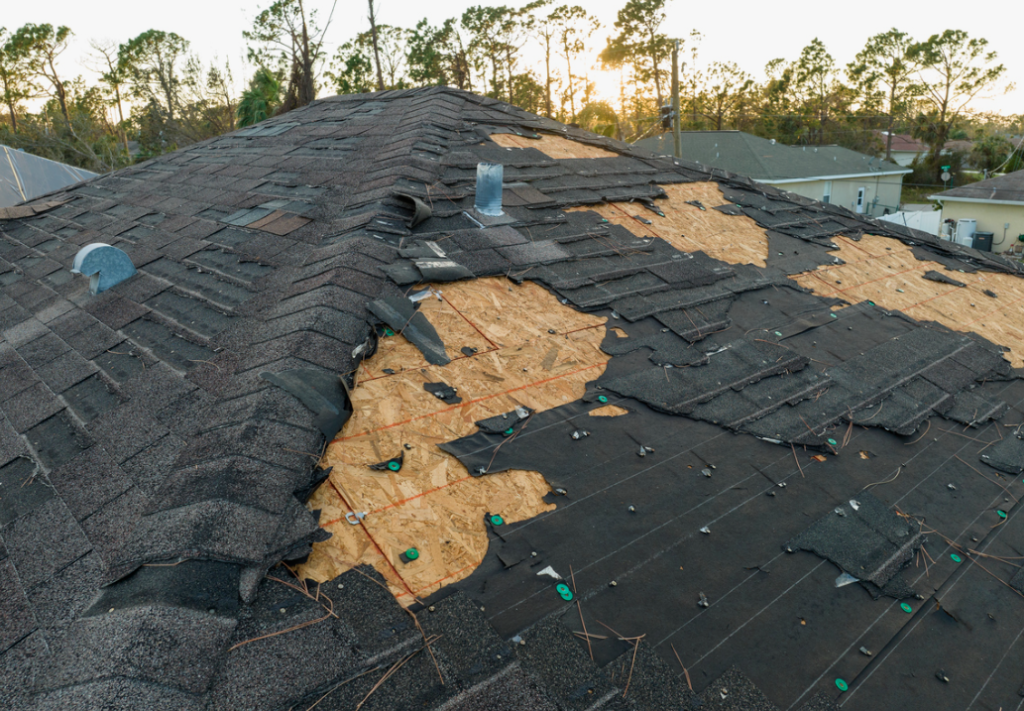
Hail can affect multiple exterior surfaces, so homeowners should look beyond the roof when checking for visible storm damage.
Take Photos of Visible Damage
If it is safe to do so, photograph visible damage around your property.
Useful photographs may include:
- Damaged shingles visible from the ground
- Dented gutters or downspouts
- Damaged siding
- Broken or damaged exterior components
- Fallen roofing materials
- Areas where water is entering the home
Do not put yourself at risk to photograph an inaccessible area.
Keep the original photographs and note when you noticed the damage. If you decide to file an insurance claim, your insurer can explain what documentation it requires.
Schedule a Professional Roof Inspection
A professional inspection is an important next step when you suspect hail damage.
A roofing professional can evaluate accessible areas of the roofing system and look for signs of storm-related damage that may not be apparent during a ground-level inspection.
An inspection can also help answer an important question:
Does the roof actually need to be repaired or replaced?
Hail damage does not automatically mean that a roof needs complete replacement. The appropriate work depends on the type, location, and extent of the damage and the condition of the existing roofing system.
Does Hail Damage Always Mean You Need a New Roof?
No.
A hail-damaged roof may require:
- No roofing work after an inspection
- Localized repairs
- Replacement of damaged roofing components
- More extensive roof replacement
The correct solution depends on the condition of the roof and the extent of the damage.
For example, a limited area of damage may be repairable, while widespread damage or an already deteriorated roofing system may require a more extensive solution.
A professional inspection can help determine which situation applies to your roof.
Should You Repair or Replace a Hail-Damaged Roof?
The answer depends on more than the size of the hailstorm.
A roofing professional may consider:
- How much of the roof is damaged
- Whether damage is localized or widespread
- The age and condition of the existing roof
- Whether there are existing roofing problems
- The condition of shingles and other roofing components
- Whether the roof has experienced previous repairs
- The extent of any storm-related damage
The goal is to address the actual condition of the roofing system rather than automatically choosing repair or replacement.
What Should You Do About Your Insurance Claim?
If you believe your roof has sustained storm damage, review your homeowners insurance policy and contact your insurance company about its claim process.
Insurance coverage depends on the individual policy, the cause of damage, exclusions, deductibles, and other factors.
Your insurer can explain:
- Whether you should file a claim
- What documentation is required
- How the inspection or adjustment process works
- What deadlines apply to your policy
- What your deductible may be
Do not assume that every type of hail damage will be covered or that a claim will automatically result in a roof replacement.
How Should You Document Hail Damage for Insurance?
Start with photographs of visible damage and keep relevant records related to the storm and your property.
A professional roofing inspection may also provide additional documentation of roofing conditions.
However, the insurance company determines coverage under the terms of the applicable policy. Homeowners should follow their insurer’s instructions for submitting documentation and filing a claim.
For Missouri homeowners, it is also important to understand any applicable deadlines. Horizon’s guide to Missouri roof insurance claim deadlines provides additional information.
Should You Get a Roof Inspection Before Filing an Insurance Claim?
There is no universal requirement that homeowners obtain a roofing inspection before contacting their insurance company.
However, a professional inspection can help you understand the condition of your roof and document potential damage.
If you are considering an insurance claim, check your policy and ask your insurer about its preferred process and documentation requirements.
You can then provide the relevant inspection information as part of the claim process when appropriate.
What Happens During a Hail Damage Roof Inspection?
A professional roof inspection generally involves evaluating the roof and looking for visible signs of damage.
Depending on the property and roofing system, the inspection may include examination of:
- Shingles
- Roof edges
- Flashing
- Vents
- Other roof penetrations
- Gutters and downspouts
- Visible areas of the exterior
The inspector may document areas of concern with photographs and explain whether the observed conditions appear consistent with storm damage.
The exact inspection process depends on the roof, property, and accessibility.
How Soon Should You Inspect Your Roof After Hail?
It is sensible to arrange an inspection promptly if you suspect your roof has been damaged by hail.
Acting sooner can help you understand the condition of the roof before additional weather affects the property. It also gives you time to review your insurance policy and understand any applicable claim requirements.
You do not need to wait for a roof leak before investigating possible storm damage.
What If You Don’t See Any Roof Damage After a Hailstorm?
A lack of obvious damage does not necessarily confirm that the roof is undamaged.
Some roofing damage can be difficult to identify from the ground. If your property experienced significant hail, or if you notice damage to gutters, siding, windows, or other exterior surfaces, consider having the roof evaluated.
A professional inspection can provide more information than a quick visual check from the ground.
What If Your Roof Starts Leaking After Hail?
If water is entering your home after a hailstorm, address the problem promptly.
If possible and safe, contain water inside the home and protect belongings from further damage. Avoid climbing onto the roof to investigate the source yourself.
Contact a qualified roofing professional to evaluate the roof and contact your insurance company if you believe the damage may be covered under your policy.
A roof leak after a storm does not by itself determine whether the roof needs repair or replacement.
How Hail Damage Can Lead to Roof Problems Later
Storm damage can become more noticeable over time if damaged roofing materials are not addressed.
For example, damaged shingles can leave portions of the roofing system more exposed to weather. If water enters through a damaged area, the resulting problem can extend beyond the original visible damage.
This is one reason homeowners should take suspected storm damage seriously even when there is no immediate leak.
Hail Damage in the St. Louis Area
Hailstorms can affect communities throughout the St. Louis region, and a single storm can affect many properties differently.
One home may have little or no roofing damage, while another property nearby may have damaged shingles, gutters, siding, or other exterior components.
Homeowners should therefore evaluate their own property’s condition rather than assuming that a nearby property experienced the same level of damage.
If a severe storm has recently passed through your area, checking your property and arranging an inspection when appropriate can help you understand what happened.
Questions to Ask a Roofing Contractor After Hail Damage
Before agreeing to roofing work, ask the contractor:
- What damage did you find?
- Where is the damage located?
- Can you show me photographs of the damaged areas?
- Does the roof need repair or replacement?
- Are there signs of pre-existing roofing problems?
- What work is included in the estimate?
- What roofing materials are being proposed?
- Is the company licensed and insured?
- What workmanship warranty is included?
- How does the proposed work relate to my insurance claim?
Clear answers can help you understand the recommended work before signing a contract.
Be Careful When Hiring a Storm-Damage Roofer
Storms can bring a large number of roofing contractors into an affected area.
Take time to research the company before signing an agreement. Look for information about:
- Licensing and insurance
- Local business information
- Experience with the type of roofing work required
- Written estimates
- Warranties
- References or examples of completed work
- Clear communication about the proposed scope of work
Do not feel pressured to make an immediate decision simply because a contractor approaches you after a storm.
Frequently Asked Questions About Hail Damage
Start by staying off the roof, checking for visible damage from the ground, documenting what you can safely photograph, and arranging a professional inspection if damage is suspected.
Possible signs include dents or bruising on asphalt shingles, cracked or missing shingles, granule loss, and damage to gutters, vents, or other exterior components. Some damage may not be visible from the ground.
No. Depending on the extent and location of the damage and the condition of the existing roof, the appropriate solution may range from no roofing work to localized repair or complete replacement.
Yes. If hail damages roofing materials or other components that protect the home from water, moisture can enter through affected areas. A leak may appear immediately or become noticeable later.
No. Inspect the property from a safe location and leave roof access to trained professionals.
If you suspect storm damage, review your policy and contact your insurance company about its claim process and requirements. Your insurer can explain whether you should file a claim and what documentation it needs.
Take photographs of visible damage from safe locations and keep records related to the storm and any inspection. Follow your insurance company’s instructions for claim documentation.
A qualified roofing professional can inspect the roof for signs that may be consistent with hail or other storm damage. The cause and extent of damage may require professional evaluation, and insurance coverage decisions are made by the insurer under the applicable policy.
If you suspect your roof has been damaged, arranging an inspection promptly can help you understand its condition and address problems before they become more serious.
What to Do Next
A hailstorm does not automatically mean you need a new roof. The first step is understanding the condition of your property.
Stay off the roof, document visible damage safely, arrange a professional inspection when appropriate, and review your insurance policy before making decisions about repairs or replacement.
Horizon Roofing provides roof inspections, storm damage roof repair, roof replacement, and related exterior services for homeowners in St. Charles County and the greater St. Louis area.
If a professional inspection identifies storm damage, Horizon can help you understand the roofing work that may be needed and the next steps for your property.

Brian Donohue
Brian Donohue is the owner of Horizon Roofing & Exteriors, the leading roofing company in St. Peters, Missouri, dedicated to delivering quality roofing solutions. With a strong background in project management, sales, and customer service, Brian has built a reputation for reliability and excellence in the roofing and construction industry.