
- By Brian Donohue
- Roofing Guide
- 0 Comment
Your roof is one of the most important parts of your home. It protects your property from rain, wind, heat, and structural damage. Over time, however, every roof reaches a point where repairs are no longer enough and replacement becomes necessary.
One of the most common questions homeowners ask is: “How much does roof replacement cost in 2026?”
The answer depends on several factors such as roof size, materials, labor requirements, and the condition of the existing roof. Because every property is different, roofing professionals usually provide a customized estimate after inspecting the roof.
In this guide, we’ll explain the key factors that influence roof replacement costs and how homeowners can plan their budget effectively.
Average Roof Replacement Cost in 2026
Roof replacement costs can vary significantly depending on the materials used and the complexity of the roof.
In general, homeowners can expect roof replacement to range from moderate to premium investment levels depending on the type of roofing system installed.
Basic roofing materials may cost less, while premium materials such as metal, tile, or slate roofing may increase the overall project cost due to durability and installation requirements.
Since every roof has unique conditions, the most accurate way to determine the cost is by scheduling a professional roof inspection.
A roofing expert can evaluate your roof and provide a detailed estimate based on your home’s specific needs.
Key Factors That Affect Roof Replacement Cost
Understanding what influences roofing costs helps homeowners make informed decisions.
1. Roof Size
One of the biggest factors in determining roof replacement cost is the size of the roof.
Larger roofs require:
- More roofing materials
- More labor hours
- More disposal of old materials
Because of this, roofing contractors typically calculate costs based on the total square footage of the roof.
2. Roofing Material
The type of material you choose plays a major role in the final price and lifespan of the roof.
Common roofing materials include:
Asphalt Shingles
A popular and affordable option used in many residential homes.
Metal Roofing
Known for durability and energy efficiency. Metal roofs often last much longer than traditional materials.
Clay or Concrete Tiles
These provide a premium look and excellent durability but may require stronger structural support.
Slate Roofing
One of the most durable and premium roofing options available.
Each material comes with different installation requirements and longevity, which can affect the total project cost.
3. Roof Complexity and Design
Roofs with complex designs usually require more time and labor to replace.
Factors that increase complexity include:
- Steep roof slopes
- Multiple roof angles
- Skylights or chimneys
- Ventilation systems
These features require additional safety measures and careful installation.
4. Removal of Existing Roof
Before installing a new roof, contractors often need to remove the existing roofing material.
This process may involve:
- Labor for removal
- Disposal of old materials
- Inspection of the roof deck
If the old roof has multiple layers or damage underneath, the removal process may take longer and increase costs.
5. Structural Repairs
During a roof replacement, contractors sometimes discover hidden issues such as:
- Rotten decking
- Water damage
- Mold or mildew
- Structural weaknesses
These problems must be repaired before installing a new roof to ensure long-term durability and safety.
Although this may add to the cost, it prevents more expensive structural problems in the future.
Signs You May Need Roof Replacement
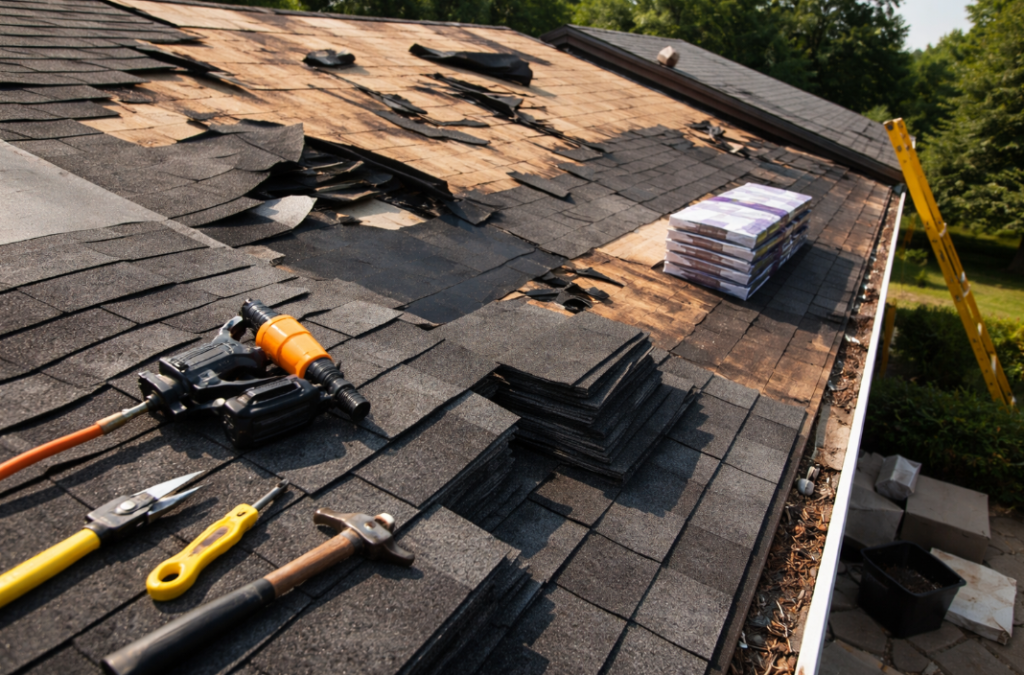
Many homeowners delay roof replacement until serious damage occurs. However, recognizing early warning signs can help prevent costly repairs.
You may need a roof replacement if you notice:
Frequent Roof Leaks
Water leaks are often a sign of underlying roof damage.
Missing or Broken Shingles
Damaged shingles expose your home to weather elements.
Sagging Roof Areas
Sagging sections may indicate structural issues.
Mold or Water Stains
Interior ceiling stains can signal roof leakage.
Old Roof Age
Most roofing systems have a limited lifespan and eventually need replacement.
If you notice any of these signs, it's best to schedule a professional roof inspection as soon as possible.
Benefits of Replacing Your Roof
Although roof replacement is a significant investment, it offers many long-term benefits.
Improved Home Protection
A new roof protects your home from rain, wind, and environmental damage.
Increased Property Value
A newly installed roof can increase the resale value of your home and make it more attractive to buyers.
Better Energy Efficiency
Modern roofing materials often provide improved insulation and energy efficiency, helping reduce cooling and heating costs.
Reduced Maintenance Costs
Replacing an aging roof helps eliminate constant repair expenses and unexpected leaks.
How to Choose the Right Roofing Contractor
Choosing the right contractor is essential for a successful roof replacement.
Here are a few things homeowners should consider:
- Experience and reputation
- Quality of materials used
- Professional inspection services
- Transparent estimates
- Warranty and support
Working with an experienced roofing contractor ensures proper installation and long-term durability.
Why Professional Roof Inspection Is Important
Before replacing a roof, a professional inspection helps identify the exact condition of the roofing system.
An inspection typically evaluates:
- Roof structure
- Material condition
- Water damage
- Ventilation systems
- Potential repair needs
This allows contractors to recommend the most effective roofing solution for your property.
Get a Free Roof Replacement Estimate
If you’re wondering about the cost of roof replacement for your home, the best step is to schedule a professional inspection.
At Horizon Roofing, our experienced team provides thorough roof evaluations and customized solutions designed to protect your home for years to come.
We help homeowners understand their roofing options and provide clear recommendations based on their property’s condition.
Our team will assess your roof and provide a detailed estimate tailored to your needs.
Protect your home with reliable roofing solutions from Horizon Roofing.
Frequently Asked Questions
Hail season typically begins in late March and peaks between April and June.
Yes. Even small hailstones can bruise shingles and displace protective granules.
Yes. Annual inspections, especially before storm season, help prevent costly damage.
Most homeowners policies cover hail damage, but coverage depends on policy terms and prior roof condition.
Most asphalt shingle roofs last 15–25 years depending on storm exposure and maintenance.

Brian Donohue
Brian Donohue is the owner of Horizon Roofing & Exteriors, the leading roofing company in St. Peters, Missouri, dedicated to delivering quality roofing solutions. With a strong background in project management, sales, and customer service, Brian has built a reputation for reliability and excellence in the roofing and construction industry.