
- By Brian Donohue
- Roofing
- 0 Comment
Missouri storms can arrive with little warning, bringing heavy rain, strong winds, hail, and even tornadoes. While your roof is designed to protect your home from the elements, every storm puts it to the test.
The challenge is that not all storm damage is obvious. You may not notice missing shingles, damaged flashing, or hail impacts from the ground. In many cases, a roof appears perfectly fine until weeks later when a water stain appears on the ceiling or a small leak turns into a much larger repair.
So, should you schedule a roof inspection after every Missouri storm?
In many cases, the answer is yes—especially after severe weather. A professional inspection can identify hidden damage early, helping you avoid more expensive repairs and giving you confidence that your roof is ready for the next storm.
In this guide, we’ll explain when a roof inspection is recommended, what inspectors look for, and why acting quickly after a storm can protect both your home and your budget.
Why Missouri Storms Can Cause Hidden Roof Damage
Missouri homeowners experience a wide range of severe weather throughout the year. Spring and summer often bring hailstorms, high winds, torrential rain, and occasional tornadoes, while winter can introduce ice and freezing temperatures.
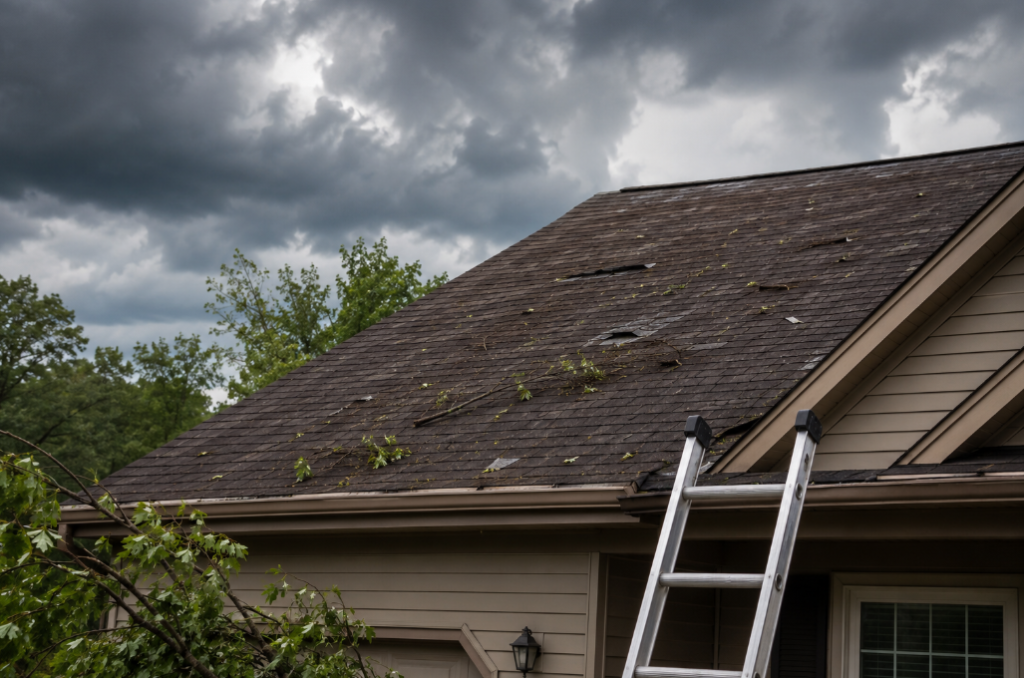
Even if your roof doesn’t lose shingles during a storm, it may still suffer damage that isn’t visible from the ground.
Common examples include:
- Hail bruising asphalt shingles
- Lifted shingles caused by strong winds
- Bent or damaged flashing
- Loosened ridge caps
- Small punctures from flying debris
- Granule loss that shortens shingle life
These issues may seem minor at first, but each one creates an opportunity for water to enter your roofing system.
Related Reading: Why Missouri Weather Is So Hard on Roofs
Do You Really Need an Inspection After Every Storm?
Not every passing rain shower requires a roof inspection.
However, scheduling an inspection is a smart decision after storms that include:
- Large hail
- Wind gusts over 50 mph
- Fallen tree branches
- Flying debris
- Heavy rainfall that lasts several hours
- Tornado warnings or confirmed storm damage nearby
Even if your roof looks fine from the driveway, damage may still be present.
Professional roofers know where storm damage commonly occurs and can safely inspect areas homeowners can’t easily see.
Think of a roof inspection as preventive maintenance. Finding a loose piece of flashing today is far less expensive than repairing water damage months from now.
Signs Your Roof Should Be Inspected Immediately
While some storm damage remains hidden, other warning signs should never be ignored.
Schedule a roof inspection if you notice any of the following after a storm.
-
1
Missing or Lifted Shingles
Strong winds can loosen shingles without completely removing them.
A lifted shingle may continue protecting your home temporarily, but it's much more likely to fail during the next storm.
Replacing a few damaged shingles early is often much less expensive than repairing widespread water damage later.
-
2
Hail Has Fallen in Your Neighborhood
You don't need to see holes in your roof to have hail damage.
Hail can:
- Knock protective granules off shingles
- Create bruises that weaken the shingle
- Crack older roofing materials
- Shorten the roof's lifespan
If your neighborhood experienced hail, scheduling an inspection is one of the best ways to determine whether your roof was affected.
-
3
You Find Shingles or Debris in Your Yard
After severe weather, take a quick walk around your property.
Look for:
- Pieces of shingles
- Roofing nails
- Flashing
- Broken vents
- Tree branches on the roof
These are clear signs that your roof should be professionally inspected.
-
4
You Notice Water Stains Indoors
One of the most obvious warning signs is water entering your home.
Watch for:
- Ceiling stains
- Damp attic insulation
- Peeling paint
- Musty odors
- Dripping water during rainfall
Keep in mind that roof leaks don't always appear immediately after a storm. Moisture often travels through the roofing system before becoming visible indoors.
-
5
Your Neighbors Report Storm Damage
One of the easiest ways to know whether your roof may have been affected is by paying attention to what's happening around your neighborhood.
If nearby homes have:
- Missing shingles
- Roof tarps
- Insurance adjusters visiting
- Roofing crews making repairs
...your home may have experienced similar damage.
Storms don't always affect every property equally. Wind direction, tree coverage, and roof orientation can all influence the amount of damage a home receives. Even if your roof looks fine from the ground, it's worth having it inspected after a severe storm passes through your area.
What Happens During a Professional Roof Inspection?
Many homeowners avoid scheduling an inspection because they aren’t sure what it involves.
A professional roof inspection is straightforward and gives you a clear picture of your roof’s condition.
During the inspection, a roofing professional will check:
- Missing, cracked, or lifted shingles
- Hail and wind damage
- Flashing around chimneys, vents, and skylights
- Ridge caps and roof valleys
- Gutters and downspouts
- Signs of water intrusion
- Roof ventilation
- Overall condition of the roofing system
After the inspection, you’ll receive an explanation of the findings along with recommendations based on your roof’s condition. If repairs are all that’s needed, you’ll know. If replacement is the better long-term option, you’ll understand why before making a decision.
Why Waiting Can Cost You More
One of the biggest mistakes homeowners make is assuming that no visible leak means there’s no damage.
Unfortunately, storm damage often gets worse over time.
For example:
- A lifted shingle can allow rainwater beneath the roofing system.
- Small leaks can damage insulation and roof decking.
- Moisture trapped in the attic can lead to mold growth.
- Continued exposure to wind can turn a minor repair into a full roof replacement.
Addressing minor issues early is usually faster, less expensive, and far less disruptive than waiting until significant damage develops.
If you’re unsure whether your roof has reached the point where replacement is necessary, read our guide on 7 Signs You Need a Roof Replacement in St. Louis, MO.
Should You File an Insurance Claim?
Not every roofing problem requires an insurance claim.
However, if your roof was damaged by hail, high winds, or falling debris, your homeowners insurance policy may help cover repair or replacement costs.
Before filing a claim:
- Schedule a professional roof inspection.
- Document any visible damage.
- Take photos if it’s safe to do so.
- Review your insurance policy.
- Ask your roofing contractor to explain the inspection findings.
Having documentation from a professional inspection can make the claims process much smoother.
For more information, read How Much Does Homeowners Insurance Pay for a Roof Replacement in Missouri?
Why Homeowners Throughout St. Louis Trust Horizon Roofing & Exteriors
When severe weather strikes, you need a roofing company that understands Missouri’s climate and provides honest recommendations.
Homeowners choose Horizon Roofing & Exteriors because we offer:
- Free roof inspections
- Licensed and insured roofing professionals
- Owens Corning Preferred Contractor
- Insurance claim assistance
- Quality roofing materials
- Workmanship warranty
- Financing options available
- Experienced local team serving St. Louis and St. Charles County
Whether your roof needs a small repair after a storm or a complete replacement, our goal is to help you make the right decision for your home.
Don’t Wait Until the Next Storm
Storm damage isn’t always obvious, but waiting for a leak to appear can lead to more extensive repairs and higher costs.
If your home recently experienced hail, strong winds, or heavy rain, now is the right time to have your roof inspected.
Horizon Roofing & Exteriors provides free roof inspections for homeowners throughout St. Louis and St. Charles County. We’ll evaluate your roof, explain what we find, and recommend the solution that best protects your home.
Schedule your free roof inspection today and make sure your roof is ready for Missouri’s next storm.
Frequently Asked Questions
Not after every rain shower. However, if your area experienced hail, strong winds, fallen branches, or severe thunderstorms, scheduling a roof inspection is highly recommended.
Yes. Many types of storm damage remain hidden for weeks or months before causing visible leaks. A professional inspection can identify these issues early.
It’s best to schedule an inspection within a few days after severe weather. Early inspections help document damage and prevent minor issues from worsening.
Many policies cover roof damage caused by hail, wind, and other covered weather events. Coverage depends on your policy and deductible.
Most residential inspections take 30 to 60 minutes, depending on the size and complexity of the roof.
Horizon Roofing & Exteriors offers free roof inspections for homeowners throughout St. Louis and the surrounding communities.

Brian Donohue
Brian Donohue is the owner of Horizon Roofing & Exteriors, the leading roofing company in St. Peters, Missouri, dedicated to delivering quality roofing solutions. With a strong background in project management, sales, and customer service, Brian has built a reputation for reliability and excellence in the roofing and construction industry.