
- By Brian Donohue
- Roof Replacement
- 0 Comment
A roof does more than protect your home from rain and wind. It also helps maintain your home’s structure, manage moisture, and protect everything underneath it. But over time, even a well-installed roof begins to show signs of wear.
For homeowners in St. Louis and surrounding Missouri communities, roofing systems face several weather challenges throughout the year. Strong winds, hailstorms, heavy rainfall, summer heat, and winter temperature changes can all affect the condition of roofing materials.
If your roof is getting older or showing signs of damage, you may be wondering whether repairs are enough or whether it is time for a complete replacement.
At Horizon Roofing & Exteriors, we work with homeowners throughout St. Charles County and the greater St. Louis area on roofing repairs, inspections, and replacements. Here are some important things to understand before planning a roof replacement in 2026.
1. Why Roof Replacement Requires Careful Planning in Missouri
Missouri weather can be unpredictable. A roof that handles several months of hot summer weather must also withstand strong thunderstorms, high winds, hail, and freezing winter conditions.
These changing conditions can affect shingles, flashing, underlayment, and other roofing components.
For example:
- Summer heat: Prolonged exposure to high temperatures can accelerate the aging of roofing materials.
- Strong winds: Wind can loosen shingles, break their seals, or pull roofing materials away from vulnerable areas.
- Hailstorms: Hail can damage shingles, affect their protective granules, and create areas that need closer inspection.
- Heavy rainfall: Damaged shingles or flashing can allow water to enter the roofing system.
- Winter conditions: Repeated freezing and thawing can contribute to moisture-related problems, especially where existing roof weaknesses are present.
This is why choosing roofing materials and installation methods suited to local weather conditions matters. A roof replacement should address the condition of the entire roofing system, not just its appearance.
2. Signs It May Be Time to Replace Your Roof
Not every roofing problem means you need a complete replacement. However, certain warning signs may indicate that your roof is approaching the end of its useful life.
Here are some things homeowners should watch for.
Missing, Cracked, or Curling Shingles
Shingles can become brittle, crack, curl, or go missing as they age. Strong winds may also loosen shingles that have already started deteriorating.
If you notice these problems across multiple sections of your roof, it may be worth having the entire roofing system evaluated.
Frequent Roof Leaks
An occasional leak caused by a specific damaged area may be repairable. However, recurring leaks in different locations can indicate more widespread roofing problems.
Water stains on ceilings, damp attic insulation, and moisture around roof penetrations should not be ignored.
Excessive Granule Loss
Asphalt shingles have protective granules that help shield them from weather exposure. Some granule loss is normal, but excessive loss can indicate that shingles are wearing down.
You may notice granules collecting in gutters or near downspouts.
Sagging Areas on the Roof
A roofline that appears uneven or sagging deserves immediate attention. It may indicate problems with the roof decking or underlying structure, particularly if moisture has been present.
A professional assessment is important before deciding what work is necessary.
An Aging Roofing System
Asphalt shingle roofs have varying lifespans depending on the materials, installation quality, ventilation, maintenance, and weather exposure.
If your roof is getting older, scheduling an inspection can help you understand its current condition and plan ahead for necessary work.
3. Roof Repair vs. Roof Replacement: How Do You Decide?
One of the biggest questions homeowners face is whether to repair the existing roof or replace it completely.
The right choice depends on the extent of the damage, the age of the roof, and the condition of the underlying materials.
Roof repair may be appropriate when:
- Damage is limited to a small section.
- A few shingles are missing or damaged.
- Flashing has become loose or needs attention.
- A leak can be traced to a specific repairable area.
- The rest of the roofing system remains in good condition.
Roof replacement may be worth considering when:
- Roofing materials show widespread deterioration.
- Leaks continue despite previous repairs.
- Multiple sections have sustained significant storm damage.
- Shingles are nearing the end of their expected service life.
- The underlying decking has moisture-related damage in several areas.
Replacing a roof is a larger investment, so it is important to understand why it is being recommended.
A professional inspection can help identify the actual condition of your roof and whether repairs or replacement make more sense.
4. Choosing the Right Roofing Material for Your Home
The roofing material you choose affects your home’s appearance, durability, maintenance needs, and overall investment.
Asphalt shingles remain a common choice for residential homes in the St. Louis area, but homeowners may also consider other materials depending on their preferences and property requirements.
Architectural Asphalt Shingles
Architectural asphalt shingles are a popular option for residential roof replacement. They have a dimensional appearance and are available in different colors and styles.
Homeowners often consider them because they offer:
- A range of design options.
- Compatibility with many residential roof styles.
- Multiple product grades and performance options.
- Relatively straightforward installation and maintenance.
Impact-Resistant Shingles
For homeowners concerned about Missouri's frequent hailstorms, impact-resistant shingles may be worth discussing.
Certain products are designed and tested to meet specific impact-resistance classifications, including Class 4.
However, impact-resistant materials are not completely hailproof. Their performance depends on the product and the conditions of the storm.
Before choosing them, ask about product specifications, manufacturer requirements, and whether any insurance benefits are available under your particular policy.
Metal Roofing
Metal roofing is another option for homeowners looking for a different appearance and long-term roofing solution.
Depending on the product, metal roofs can offer good weather resistance and durability. However, material costs, installation requirements, and the home's existing structure should all be considered.
The best material is not necessarily the most expensive one. It is the option that meets your home's needs, budget, and appearance preferences.
5. What Happens During a Roof Replacement?
Understanding the installation process can make the project easier to plan for. Although the exact steps depend on the roof's condition and the materials selected, most residential roof replacements follow a similar process.
Step 1: Roof Inspection and Estimate
The first step is evaluating the existing roofing system.
A roofing contractor should examine the shingles, flashing, roof edges, ventilation, and other important components. The inspection helps determine the scope of work and identify potential concerns.
You should receive an estimate explaining the recommended work and the materials involved.
Step 2: Preparing the Property
Before installation begins, the surrounding property needs to be prepared.
This may include protecting landscaping, moving outdoor furniture, identifying areas where debris could fall, and discussing access to the driveway.
Homeowners should also know what to expect during the installation process.
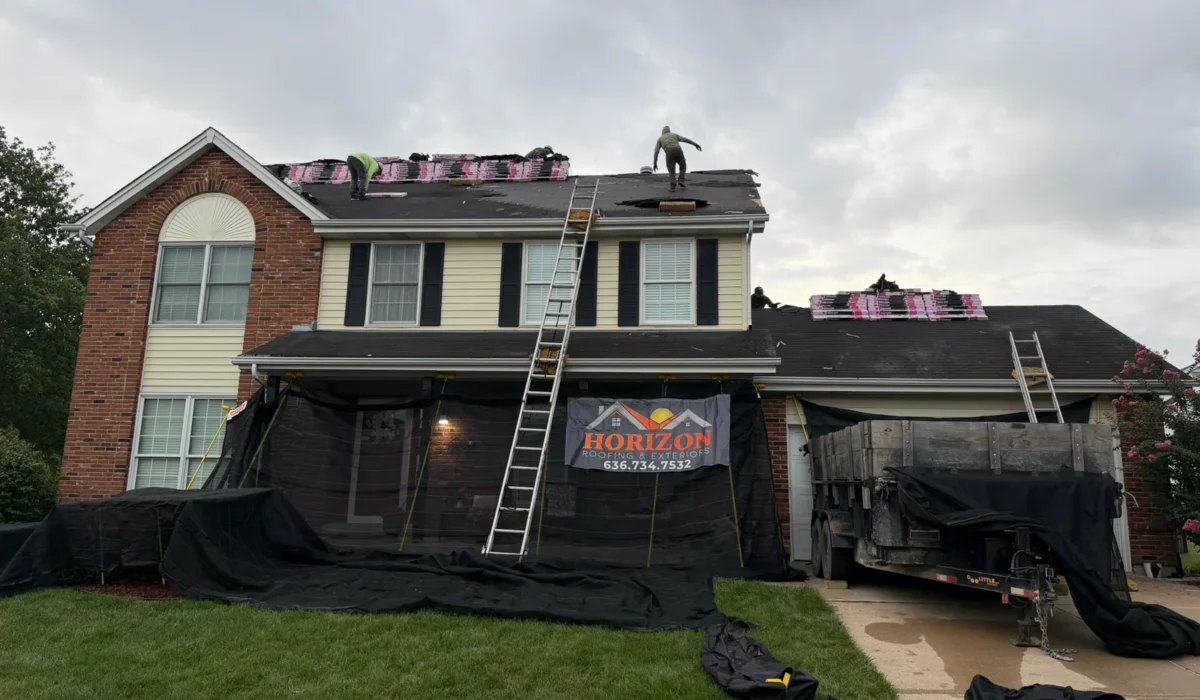
Step 3: Removing Existing Roofing Materials
For many replacement projects, the existing shingles and other roofing materials are removed to expose the roof decking.
This allows the installation team to examine the underlying surface rather than simply covering up potential problems.
Step 4: Inspecting and Preparing the Roof Decking
The roof decking provides the foundation for the new roofing materials.
If damaged or deteriorated sections are discovered, they may need to be replaced before installation continues. Addressing these areas helps create a suitable surface for the new roof.
Step 5: Installing Underlayment and Flashing
Underlayment provides an additional layer of protection beneath the shingles.
Depending on the roof design and local requirements, contractors may also install ice and water protection in vulnerable areas.
Flashing around chimneys, vents, valleys, and roof transitions is another important part of the process. These areas need proper attention because they are common locations for water intrusion.
Step 6: Installing New Roofing Materials
Once the underlying components are prepared, the new shingles or selected roofing materials can be installed.
Proper placement, fastening, alignment, and attention to manufacturer installation instructions all contribute to the finished roofing system.
Step 7: Final Inspection and Cleanup
After installation, the property should be cleaned and the completed work checked.
This includes removing leftover materials, collecting debris, checking the surrounding areas for nails, and reviewing the finished roofing system.
A thorough cleanup matters just as much as the installation itself.
6. What Affects the Cost of Roof Replacement in St. Louis?
Roof replacement costs vary from one property to another. Two homes with similar square footage may still have very different project requirements.
Here are some of the main factors that influence the overall cost.
Roof size: Larger roofs generally require more materials and labor.
Roof pitch and design: Steeper roofs and complex designs can require additional safety measures, equipment, and installation time.
Existing roof condition: Damaged decking, deteriorated flashing, or other underlying problems may increase the amount of work required.
Material selection: Different shingle types, brands, and roofing systems have different material and installation costs.
Ventilation and additional components: Improvements to ventilation, flashing, and other roofing components may be needed as part of the project.
Removal and disposal: The number of existing roofing layers and the amount of debris can affect labor and disposal costs.
When comparing estimates, look beyond the final price. Make sure you understand which materials are included, what work will be performed, and how additional repairs will be handled if problems are discovered during installation.
7. Why Proper Roof Ventilation and Flashing Matter
A new roof should not be judged by its shingles alone. Several less-visible components play an important role in how the roofing system performs.
Roof Ventilation
Proper attic ventilation helps manage heat and moisture buildup.
Inadequate ventilation can contribute to excessive attic temperatures and moisture problems, potentially affecting roofing materials and other parts of the home.
A balanced ventilation system typically includes intake and exhaust ventilation designed to work together. The right setup depends on the roof design and existing attic conditions.
Flashing
Flashing protects vulnerable transitions around chimneys, skylights, vents, walls, and valleys.
Poorly installed or deteriorated flashing can allow water to enter even when the surrounding shingles appear to be in good condition.
These details deserve attention during a roof replacement because they help protect areas where roofing materials meet other surfaces.
8. What Should You Look for When Hiring a Roofing Contractor?
Choosing a roofing contractor is an important part of the replacement process. The materials matter, but the quality of installation and the company’s approach to the project matter too.
Before moving forward, consider the following:
- Licensing and insurance: Ask about the contractor’s applicable local licensing requirements and insurance coverage.
- Written estimates: Make sure the estimate explains the materials, labor, and scope of work.
- Material information: Understand which shingle brand, product line, and installation components are included.
- Installation experience: Ask about experience with residential roof replacement and similar roof designs.
- Workmanship coverage: Understand what workmanship warranty or coverage is provided and its terms.
- Communication: Choose a contractor who explains the process, answers questions, and keeps you informed.
Do not feel pressured to make a decision immediately. Take time to compare estimates and understand what each contractor is offering.
Frequently Asked Questions About Roof Replacement
Many residential asphalt shingle roof replacements can be completed in one to two days. However, the actual timeline depends on roof size, design complexity, weather conditions, and any additional repairs required.
Roof replacement can be scheduled during different seasons, provided weather and installation conditions are suitable. Spring and fall are common planning periods, but professional roofing crews can also complete projects during summer and suitable winter weather conditions.
Yes, roof replacement may be possible during winter. However, temperature, weather conditions, and manufacturer installation requirements need to be considered. Cold temperatures can affect shingle handling and sealing, so proper planning is important.
Not necessarily. Hail damage does not automatically mean a complete roof replacement is needed. The extent and location of the damage, the roof’s existing condition, and the findings of a professional inspection should guide the decision.
Whether an additional shingle layer is permitted depends on local building requirements, the existing roof condition, and manufacturer guidelines. Removing the old roofing materials allows the decking to be inspected and any underlying problems to be addressed.
Missing shingles, isolated leaks, or localized flashing problems may be repairable. Widespread deterioration, recurring leaks, and extensive damage may indicate that replacement is worth considering. A professional inspection can help determine the appropriate solution.

Brian Donohue
Brian Donohue is the owner of Horizon Roofing & Exteriors, the leading roofing company in St. Peters, Missouri, dedicated to delivering quality roofing solutions. With a strong background in project management, sales, and customer service, Brian has built a reputation for reliability and excellence in the roofing and construction industry.