
- By Brian Donohue
- Roof Maintenance
- 0 Comment
Missouri homeowners often think about hail, wind, and heavy rain when they consider roof damage. But there is another source of wear that your roof experiences throughout the summer: prolonged heat and direct sunlight.
In St. Louis and surrounding Missouri communities, August remains a hot month, with normal St. Louis temperatures reaching the upper 80s and occasional much hotter conditions. Your roof is exposed to that heat for hours at a time, while the attic beneath it can become even hotter if airflow is inadequate.
One hot afternoon will not normally damage a properly functioning roof. The bigger concern is repeated exposure over many summers.
Understanding how heat affects the roof surface, attic, and supporting components can help homeowners recognize changes before they become more serious.
Does Summer Heat Really Damage a Roof?
Yes, but the effect is usually gradual.
Roofing materials are manufactured to withstand outdoor weather, including sunlight and temperature changes. However, every roofing system has a service life, and environmental exposure contributes to normal aging.
During a Missouri summer, your roof can experience:
- Prolonged direct sunlight
- Ultraviolet exposure
- High daytime temperatures
- Repeated heating and cooling
- High humidity
- Heavy rain following hot conditions
- Severe thunderstorms and wind
These conditions do not necessarily mean your roof is failing. However, they can accelerate deterioration in an already aging or compromised roofing system.
The important question is not simply “Is my roof hot?” but rather “Are there visible or functional changes suggesting that my roofing system is deteriorating?”
5 Ways Missouri Summer Heat Can Affect Your Roof
1. Prolonged Sun Exposure Can Age Shingles
Asphalt shingles spend their entire service life exposed to sunlight.
Ultraviolet radiation and repeated weather exposure gradually affect the materials that make up the shingle surface. As shingles age, they may become less resilient and begin showing visible deterioration.
Homeowners may notice:
- Curling or buckling
- Cracking
- Surface wear
- Excessive granules around gutters
- Shingles that no longer lie flat
These symptoms are not caused by heat alone. Age, installation quality, storm damage, moisture, and other environmental conditions can also contribute.
That is why unusual changes in the roof’s appearance deserve attention rather than an automatic assumption about the cause.
2. Heat Can Put Additional Stress on Roofing Components
Your roof is a complete system, not simply a layer of shingles.
It includes flashing, underlayment, vents, penetrations, sealants, decking, and other components.
Different materials respond to temperature changes differently. Repeated heating and cooling can place stress on areas where roofing materials meet other components.
Over time, older or deteriorated flashing and sealants may become more vulnerable.
This is especially important around:
- Chimneys
- Skylights
- Plumbing vents
- Roof-to-wall transitions
- Valleys
- Other roof penetrations
These areas already require careful weatherproofing, so deterioration can create potential entry points for water when summer thunderstorms arrive.
3. UV Exposure Can Contribute to Surface Deterioration
Heat is only part of the summer equation.
Your roof also receives hours of direct sunlight and ultraviolet exposure. Over many years, this contributes to the normal weathering of roofing materials.
You may not notice UV-related deterioration immediately. Instead, the changes can become apparent gradually as the roof becomes older.
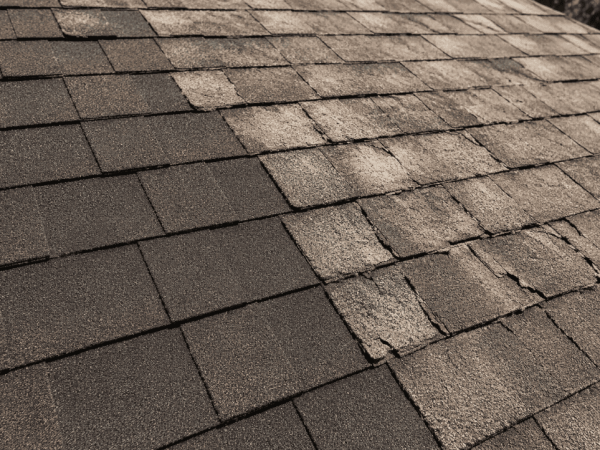
This is one reason homeowners should pay attention to changes over time, rather than judging the roof only by its appearance on a single day.
If a roof looks substantially different from previous seasons, a professional evaluation can help determine what may be causing the change.
Can a Hot Attic Affect Your Roof?
Yes, attic conditions are an important part of the overall roofing system.
Missouri Extension explains that excess heat can build up in attics during summer and that inadequate ventilation can also allow moisture to accumulate, potentially contributing to deterioration of insulation and construction materials.
A properly designed attic ventilation system allows air to move through the attic rather than allowing heat and moisture to remain trapped.
The exact ventilation approach varies by home, roof design, insulation configuration, and building code requirements.
Homeowners should therefore avoid assuming that adding another vent automatically solves a ventilation problem.
The system needs to be evaluated as a whole.
What Are the Signs of Excessive Attic Heat?
You cannot determine attic ventilation performance simply by touching a shingle or looking at the roof from the driveway.
However, homeowners may notice clues inside the home or attic, such as:
- An unusually hot attic
- Excessive moisture or condensation
- Deteriorating insulation
- Musty odors
- Signs of moisture around roof components
- Unusual temperature differences within the home
- Persistent difficulty keeping upper rooms comfortable
These signs do not automatically mean the roof is damaged.
They can indicate that the attic environment deserves further evaluation.
Can Summer Heat Cause Roof Shingles to Curl?
Curling shingles can be associated with roof aging and deterioration, but heat is not the only possible cause.
Other factors may include:
- Age
- Improper installation
- Ventilation problems
- Moisture
- Manufacturing issues
- Long-term weather exposure
If curling is widespread, particularly on an older roof, it is worth having the roofing system professionally evaluated rather than assuming it is simply a cosmetic issue.
Why Roof Ventilation Matters During Missouri Summers
Attic ventilation is not simply about making the attic cooler.
A properly designed ventilation system helps manage heat and moisture within the attic space.
Missouri Extension describes balanced attic ventilation as a combination of appropriate intake and exhaust airflow.
Depending on the home’s design, intake ventilation may be located around the soffits or eaves, while exhaust ventilation may be provided near the roof ridge or through other approved methods.
The important point for homeowners is that more vents do not necessarily mean better ventilation.
Poorly balanced or obstructed airflow can prevent the system from working as intended.
Does Summer Heat Make an Older Roof More Vulnerable?
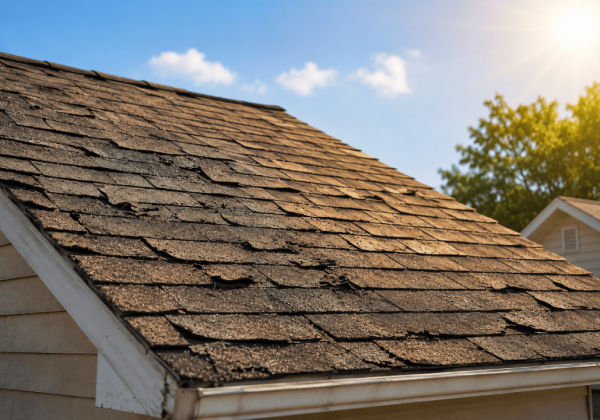
An older roof has already experienced years of:
- Sun exposure
- Temperature changes
- Rain
- Wind
- Humidity
- Storms
- Normal material aging.
Summer heat therefore becomes one part of a much longer history of environmental exposure.
That does not mean an older roof will automatically fail during summer.
Instead, homeowners should pay attention to whether the roof is showing new or worsening signs of deterioration.
For example, a roof that has recently developed widespread curling, excessive granule loss, or deteriorated flashing deserves more attention than one that has remained stable
What Should Homeowners Look for During Late Summer?
Late summer is a useful time to look at your roof because it has already experienced months of sunlight, heat, thunderstorms, and changing weather conditions.
From the ground, look for:
- Shingles that appear curled or buckled
- Missing shingles
- Uneven areas
- Damaged flashing
- Excessive granules in gutters
- Damaged vents
- Debris collecting on the roof
- Changes that were not visible earlier in the season
Do not climb onto the roof to investigate these conditions.
A professional can evaluate areas that are unsafe or difficult for homeowners to access.
Can Summer Heat and Heavy Rain Work Together to Cause Problems?
This is an important Missouri-specific consideration.
Summer heat and heavy rain are not isolated roofing concerns.
A roof can experience prolonged heat and sunlight and then be exposed to a large amount of water during a thunderstorm.
If shingles, flashing, sealants, valleys, or other components are already deteriorated, heavy rainfall may reveal weaknesses that were not obvious during dry weather.
This is why homeowners who notice a new leak after a summer storm should not automatically assume the rain itself caused every aspect of the problem.
The roof may have had an underlying vulnerable area that the heavy rainfall exposed.
How Can Missouri Homeowners Take Better Care of Their Roof During Summer?
Keep an Eye on Changes
Keep Gutters Clear
Check the Attic Environment
Look at Flashing and Roof Penetrations
Schedule Professional Inspections
Address Storm Damage Promptly
Why Late Summer Is a Good Time to Evaluate Your Roof
Your roof has already spent much of the summer exposed to Missouri’s combination of heat, sunlight, humidity, and storms.
That makes late summer a useful point to consider whether anything about the roof has changed.
You may not need to do anything if the roof remains in good condition.
But if you’ve noticed new curling, unusual granule loss, damaged flashing, attic moisture, or other changes, it is worth determining what is causing them.
Identifying the cause is more useful than simply treating the visible symptom. A professional roof inspection can help determine whether these changes are related to normal aging, weather exposure, ventilation concerns, or another roofing issue.
Is Your Roof Ready for the Rest of the Missouri Summer?
Roofing deterioration generally happens gradually rather than because of one hot day.
The combination of repeated summer exposure and the roof’s existing age and condition is what matters.
If you have noticed changes in your roof or attic during the summer, a professional evaluation can help you understand whether those changes are normal aging, weather-related deterioration, ventilation concerns, or another issue.
Horizon Roofing & Exteriors serves homeowners throughout St. Louis, St. Charles County, and surrounding Missouri communities.
Not sure whether the changes you’re seeing are normal aging or a sign of a roofing problem? Contact Horizon Roofing & Exteriors to schedule a professional roof evaluation.
Frequently Asked Questions About Summer Heat and Roof Damage
Prolonged sunlight, UV exposure, and repeated temperature changes contribute to the normal aging of asphalt shingles. Heat is one of several environmental factors that can affect roofing materials over time.
Heat may contribute to roofing deterioration, but curling can have several causes, including age, ventilation issues, installation problems, moisture, and long-term weather exposure. A professional evaluation can help determine the likely cause.
Excessive attic heat can contribute to an unfavorable attic environment. Poor ventilation may also allow moisture to accumulate, which can affect insulation and other building materials.
Look for changes such as curling shingles, cracking, excessive granule accumulation, deteriorated flashing, or unusual attic conditions. These signs can have multiple causes, so professional evaluation may be needed to determine what is happening.
Long-term exposure to sunlight, heat, temperature changes, rain, wind, and other environmental conditions contributes to normal roofing-system aging. The actual service life depends on the roofing material, installation, maintenance, ventilation, weather exposure, and other factors.
A professional roof evaluation can be useful if you notice new or worsening signs of deterioration, particularly after a summer that included significant heat and severe weather.
No. Attic ventilation needs to be properly designed and balanced between intake and exhaust. Simply adding vents does not necessarily correct an airflow problem.
Heat itself does not normally create a leak by itself. However, prolonged weather exposure can contribute to deterioration of roofing materials and components, and heavy rain may expose an existing vulnerable area.
Avoid climbing onto the roof yourself. Photograph what you can safely see from the ground and consider having a roofing professional evaluate the condition to determine whether the curling is related to age, weather exposure, installation, ventilation, or another issue.

Brian Donohue
Brian Donohue is the owner of Horizon Roofing & Exteriors, the leading roofing company in St. Peters, Missouri, dedicated to delivering quality roofing solutions. With a strong background in project management, sales, and customer service, Brian has built a reputation for reliability and excellence in the roofing and construction industry.