
- By Brian Donohue
- Roof Maintenance
- 0 Comment
Missouri summers can be tough on residential roofing systems. In Chesterfield, homeowners may deal with prolonged heat, direct sunlight, humidity, heavy rain, strong winds, and thunderstorms within the same season.
A roof in good condition is designed to handle normal weather exposure. However, existing roofing problems can become more noticeable when the roof goes through weeks of summer heat and changing weather conditions.
A loose shingle, deteriorating flashing component, aging sealant, or existing leak may not appear urgent at first. But leaving these conditions unaddressed can give them more time to deteriorate.
For Chesterfield homeowners, late summer is a good time to look for changes in the condition of the roof before another round of severe weather arrives.
Can Summer Heat Make an Existing Roof Problem Worse?
Summer heat does not automatically damage a properly maintained roof.
The bigger concern is a roofing system that already has an underlying problem.
Roofing materials are exposed to direct sunlight and temperature changes throughout the summer. When a roof already has damaged, aging, or improperly sealed components, continued exposure can contribute to further deterioration.
For example, a small area of deteriorated flashing may not immediately cause an interior leak. But if the condition continues to worsen, the area may become more vulnerable when the roof is exposed to heavy rainfall.
This is why homeowners should pay attention to changes in existing roof conditions rather than waiting for obvious water damage inside the home.
6 Roof Problems That Can Become More Noticeable During Summer
1. Curling or Deteriorating Shingles
Asphalt shingles are exposed to sunlight and outdoor temperatures every day.
Older or already deteriorated shingles may begin showing more noticeable signs of wear, including:
- Curling edges
- Buckling
- Cracking
- Missing sections
- Excessive granule loss
Heat is not necessarily the only cause of these conditions. Roof age, installation, moisture, wind, and previous storm exposure can also contribute.
If several shingles appear different from the rest of the roof, it may be worth having the condition evaluated.
2. Aging Flashing Around Roof Penetrations
Flashing helps protect areas where the roofing system meets structures or penetrations.
Common locations include:
- Chimneys
- Plumbing vents
- Skylights
- Roof-to-wall transitions
- Valleys
These areas can become vulnerable as materials age.
Summer weather can expose existing weaknesses, particularly when periods of intense heat are followed by heavy thunderstorms.
3. Cracked or Deteriorated Sealants
Sealants are used around various roofing components to help prevent water intrusion.
Over time, outdoor exposure can cause some sealants to deteriorate.
A small crack may not immediately produce an obvious leak, but it can become a potential entry point for water.
This is one reason a roof inspection should look beyond the shingles themselves.
4. Existing Roof Leaks
- New ceiling stains
- Damp insulation
- Water marks around roof penetrations
- Musty odors
- Peeling paint
- Moisture in the attic
5. Poor Attic Ventilation
The condition of the roof and the condition of the attic are closely connected.
An attic can become extremely warm during a Missouri summer. Properly designed ventilation helps manage heat and moisture within the attic space.
If ventilation is inadequate or obstructed, excessive heat and moisture may create additional concerns for the roofing system and other components.
However, homeowners should not assume that simply adding another roof vent will solve a ventilation problem. The entire ventilation system needs to be evaluated based on the home’s design.
6. Previous Storm Damage
Chesterfield roofs can experience more than just summer heat.
Strong winds, hail, falling branches, and heavy thunderstorms can leave behind damage that is not immediately obvious from the ground.
A shingle that was loosened during an earlier storm may become a larger concern if it remains exposed to additional weather.
That is why homeowners should consider the combined effect of summer weather, rather than treating heat and storms as completely separate issues.
Why Summer Heat Can Be More Concerning for an Older Roof
A roof does not experience one summer in isolation.
An older roofing system has already gone through years of:
- Sun exposure
- Rain
- Wind
- Temperature changes
- Humidity
- Severe weather
- Normal material aging
Summer heat is therefore only one part of the roof’s overall exposure history.
An older roof is not automatically a failing roof. However, if you are beginning to notice curling shingles, deteriorated flashing, recurring leaks, or other changes, those conditions deserve attention.
Knowing the current condition of the roof is especially useful when deciding whether a problem is isolated or part of broader deterioration.
Can Summer Heat Make a Roof Leak Worse?
Heat itself does not normally create a roof leak.
However, an existing weakness can become more problematic when the roofing system continues to experience changing weather conditions.
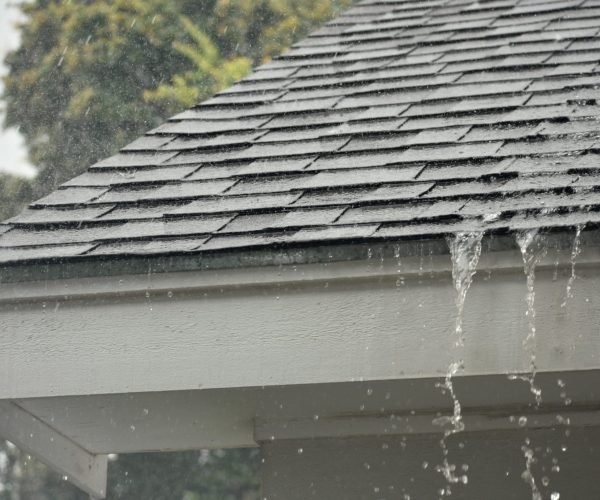
For example, a deteriorated flashing area may remain relatively unnoticed during dry weather. A later thunderstorm can expose that vulnerable area by sending large amounts of water across the roof.
This is why homeowners sometimes discover a roofing problem after a storm even though the underlying weakness may have existed beforehand.
If you notice water entering your home after a summer storm, don’t assume that the visible ceiling stain identifies the exact location of the roof problem.
Water can travel through roofing and building materials before becoming visible indoors.
What Should Chesterfield Homeowners Check Before the Next Storm?
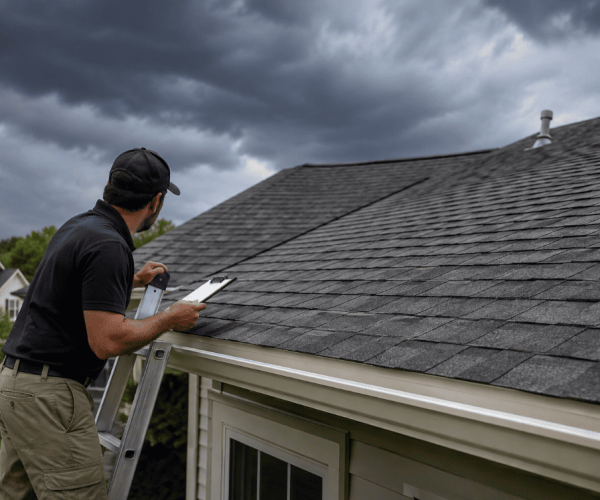
- Missing shingles
- Shingles that appear curled or uneven
- Damaged flashing
- Visible debris
- Fallen branches
- Changes in the roof’s appearance
- Damaged vents
- Areas where roofing materials appear loose
Inside the home, pay attention to:
- New ceiling stains
- Attic moisture
- Damp insulation
- Musty smells
- Water marks around roof penetrations
If you notice something unusual, avoid walking on the roof yourself. A professional can evaluate areas that are difficult or unsafe for homeowners to access.
Why Late Summer Is a Good Time to Evaluate Your Roof
By late summer, your roof has already experienced months of sunlight, heat, humidity, rainfall, and potentially severe storms.
That makes this a useful time to consider whether anything has changed.
You may not need immediate work if your roof remains in good condition.
But if you’ve noticed new curling, unusual granule loss, damaged flashing, attic moisture, or other changes, it is worth determining what is causing them.
A professional roof inspection can help distinguish between normal aging, isolated damage, ventilation concerns, and more widespread roofing deterioration.
Should You Repair a Roof Problem Before It Gets Worse?
There isn’t one answer for every roofing system.
A minor issue on one roof may have a very different significance on an older roof with multiple areas of deterioration.
The important step is understanding the condition of the roofing system before deciding what should happen next.
For example, a professional evaluation may determine that a condition is:
- Limited to one area
- Related to previous weather exposure
- Associated with normal material aging
- Connected to attic ventilation
- Part of a broader roofing problem
This gives homeowners useful information instead of making decisions based only on the appearance of one damaged shingle.
How Can Homeowners Reduce Summer Roofing Problems?
Homeowners cannot control Missouri’s summer temperatures, but they can make it easier to identify roofing problems early.
Keep Gutters and Downspouts Clear
Watch for Changes After Severe Weather
Pay Attention to Your Attic
Don't Ignore Small Warning Signs
Schedule a Roof Inspection When Something Changes
What If You Notice a Roof Problem in Late Summer?
Don’t wait for the first major interior water stain before taking action.
If you notice a new roofing concern, document what you can safely see and have the condition evaluated.
This is particularly important when a roof has already experienced severe weather or when it is showing several signs of aging.
Understanding the problem early gives you more information about the condition of your home and what may need attention.
Protect Your Chesterfield Home Before the Next Severe Storm
Summer heat is only one part of the challenge facing Chesterfield roofs.
The combination of prolonged sunlight, high temperatures, humidity, thunderstorms, wind, and heavy rainfall can put additional stress on a roofing system that already has weaknesses.
That doesn’t mean every summer roof problem requires major work.
It means existing problems should not be ignored simply because they haven’t caused an obvious leak yet.
Horizon Roofing & Exteriors helps homeowners in Chesterfield and surrounding St. Louis-area communities evaluate roofing concerns and understand the condition of their homes.
If you’ve noticed damaged shingles, deteriorating flashing, a recurring leak, or other changes in your roof this summer, contact Horizon Roofing & Exteriors to schedule a professional roof inspection.
Frequently Asked Questions
Prolonged heat and sunlight contribute to normal roofing-system aging. If a roof already has damaged or deteriorated components, continued exposure may make those conditions more noticeable.
Hot weather does not normally create a leak by itself. However, an existing weakness in shingles, flashing, or other roofing components may become more vulnerable as the roof continues to experience changing weather.
Curling shingles, cracking, excessive granule loss, deteriorating flashing, attic moisture, and new water stains can indicate that the roofing system should be evaluated. These conditions can have several possible causes.
Yes, but homeowners should inspect the roof from a safe location rather than climbing onto it. If you notice missing shingles, damaged materials, or other concerns, consider having a professional evaluate the roof.
Poor attic ventilation can contribute to excessive heat and moisture conditions. The ventilation system should be evaluated as a whole rather than assuming that adding an individual vent will solve the problem.
No. Roof age is only one factor. The material, installation, current condition, maintenance history, storm exposure, and extent of deterioration all matter when evaluating a roofing system.
Consider a professional evaluation if you notice new roof deterioration, recurring leaks, damaged shingles, flashing problems, attic moisture, or damage following severe weather.

Brian Donohue
Brian Donohue is the owner of Horizon Roofing & Exteriors, the leading roofing company in St. Peters, Missouri, dedicated to delivering quality roofing solutions. With a strong background in project management, sales, and customer service, Brian has built a reputation for reliability and excellence in the roofing and construction industry.