- By Brian Donohue
- Roof Maintenance, Roofing Inspection
- 0 Comment
Roof damage does not always appear as obvious leakage. Many roofing problems begin silently and remain hidden until they become serious and costly. By the time water starts dripping from the ceiling, the repair cost may already be high.
Understanding how to detect hidden roof damage early can help you avoid expensive repairs, protect your building structure, and extend the life of your roof.
Why Hidden Roof Damage is Dangerous
Hidden roof damage slowly weakens the structure of the building. Moisture can enter through small cracks or damaged waterproof layers and gradually spread inside the roof slab.
Common risks of ignoring early roof damage include:
- Costly structural repairs
- Mold and fungus growth
- Damage to ceiling and walls
- Electrical hazards due to moisture
- Reduced roof lifespan
- Higher maintenance expenses later
Early detection helps prevent major repair work.
Common Causes of Hidden Roof Damage
Roof damage often develops due to everyday environmental exposure and lack of maintenance. Some common causes include:
Weather Exposure
Continuous exposure to sunlight, heavy rain, and humidity can weaken roofing materials over time. Expansion and contraction caused by temperature changes can create small cracks.
Poor Waterproofing
Low-quality waterproofing or improper application can allow water to penetrate the roof surface.
Drainage Issues
Blocked or poorly designed drainage systems cause water accumulation. Standing water increases pressure on weak areas of the roof.
Aging Roof Materials
Old roofing materials lose strength and flexibility, making them more vulnerable to cracks and leakage.
Structural Movement
Natural building movement can create stress on roof joints and lead to hidden gaps where water can enter.
Signs of Hidden Roof Damage
Detecting these early warning signs can help you fix problems before they become expensive.
Water Stains on Ceiling or Walls
Yellow or brown stains often indicate moisture entering from the roof.
Peeling Paint or Damp Walls
Moisture trapped inside walls causes paint to bubble, peel, or crack.
Mold or Musty Smell
Persistent damp smell may indicate hidden water leakage.
Small Cracks on Roof Surface
Hairline cracks allow water penetration which gradually increases damage.
Increased Indoor Humidity
Excess moisture inside the house may be linked to hidden roof leakage.
Damaged Roof Joints
Gaps around roof joints or edges can allow water entry during rain.
Standing Water on Roof
Water that remains on the roof for long periods indicates drainage problems.
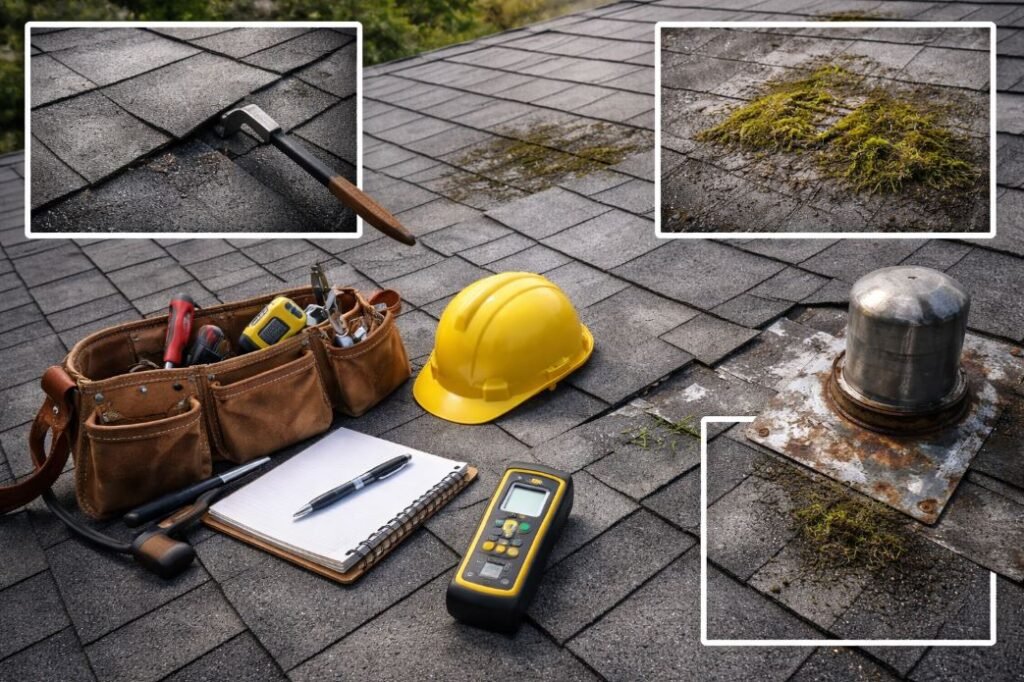
Simple Methods to Check Roof Condition
You can perform basic visual inspection to identify possible issues.
Visual Inspection
Look for cracks, surface damage, or uneven areas on the roof.
Check Ceiling and Corners
Inspect ceilings, corners, and walls for discoloration or damp patches.
Inspect After Heavy Rain
Check if any new moisture marks appear after rainfall.
Observe Exterior Walls
Water marks on outer walls may indicate roof drainage problems.
Regular checking helps detect problems early.
When to Call a Professional Roof Inspection Service
Some hidden roof damage cannot be easily identified without expert tools and experience. Consider professional inspection if:
- Leakage signs appear repeatedly
- Crack size increases over time
- Mold growth appears indoors
- Waterproofing layer is old or damaged
- Building is more than several years old
- Roof has not been inspected recently
Professional inspection helps identify the root cause and prevent repeated repairs. Not sure if your roof was affected? Read Top Signs Your Roof Was Damaged by the Last St. Louis Storm to identify common storm damage.
How Early Detection Saves Money
Repairing small cracks or waterproofing issues early is usually much less expensive than major structural repair.
Benefits of early repair include:
- Lower repair cost
- Longer roof lifespan
- Prevention of interior damage
- Reduced maintenance expenses
- Better protection during heavy rain
- Improved property value
Preventive maintenance always costs less than major repair work.
Tips to Prevent Hidden Roof Damage
Regular maintenance reduces chances of expensive repair.
Helpful tips include:
- Inspect roof annually
- Keep drainage outlets clean
- Repair small cracks immediately
- Apply quality waterproofing materials
- Avoid water accumulation on roof
- Schedule periodic professional inspection
Consistent maintenance improves roof durability.
Frequently Asked Questions
Common signs include water stains on ceiling, damp walls, peeling paint, mold smell, cracked roof surface, and increased indoor humidity.
It is recommended to inspect your roof at least once a year and after heavy rain or storms.
Yes, untreated roof damage can weaken concrete, corrode steel reinforcement, and cause costly structural repairs.
Hidden roof leakage can occur due to cracked concrete, damaged waterproofing layer, blocked drainage, poor installation, or aging materials.
Professional inspection helps identify hidden problems that may not be visible to homeowners and prevents expensive future repairs.
Conclusion
Hidden roof damage can slowly increase repair costs if ignored. Early detection of warning signs such as damp patches, cracks, peeling paint, and mold smell can help prevent serious problems.
Regular inspection and timely repair protect your building from expensive structural damage and extend the life of your roof.
If you suspect hidden roof damage, getting a professional inspection from Horizon Roofing can help identify the root cause and provide a reliable long-term solution. Expert evaluation ensures proper waterproofing methods are used to prevent repeated repair costs.
Taking action early can save significant money and help maintain the strength and safety of your building.

Brian Donohue
Brian Donohue is the owner of Horizon Roofing & Exteriors, the leading roofing company in St. Peters, Missouri, dedicated to delivering quality roofing solutions. With a strong background in project management, sales, and customer service, Brian has built a reputation for reliability and excellence in the roofing and construction industry.